

- Apple is fighting a UK order that demands access to the encrypted iCloud data of British users.
- The main focus of the issue is secret government notices that pressure companies to lower their security defenses.
- Privacy advocates say if companies create these back doors, millions of people could be at risk.
Apple Inc. has reportedly taken a new legal action against the British government for demanding access to its encrypted iCloud data. The company filed the complaint with the Investigatory Powers Tribunal in July. This tribunal handles complaints concerning the surveillance capabilities of the government and the intelligence agencies.
The case involves a new Technical Capability Notice (TCN) issued by UK authorities. According to reports, the order required Apple to provide a means of allowing authorities to access secured iCloud data of its users in the UK.
Apple challenges the legitimacy of the UK government’s request based on the provisions of the Investigatory Powers Act 2O16.
The dispute follows a similar controversy when the UK sought even broader access to user data belonging to both UK and US individuals. That set off an intense argument, with the US pushing back against the move.
Eventually, the UK government abandoned that request. The latest request is reportedly limited to UK customers.
The Fight Over “Back Door” Access
Encryption is the main focus of the case. It helps in securing digital information in a way that only those who have the authorization can read it. The advanced data protection technology from Apple adds an additional layer of encryption to the iCloud data.
The UK’s Home Office’s request could force Apple to create a method that allows authorities to access this protected data. Critics call this a “back door,” and Apple refused to build any kind of back door.
Apple has repeatedly argued that creating a special entry point into encrypted systems would weaken security for everyone. The company says any access tool created for governments could eventually become a target for criminals, hackers, or hostile governments.
This concern is not hypothetical; hackers have recently threatened Apple with a ransom demand, underscoring the very real risks to iCloud accounts and user data. Such a situation would make all users more vulnerable. It would create weaknesses that attackers could eventually exploit.
The company has also said it does not build hidden access systems into its products and does not want to create a security weakness that could affect customers worldwide.
Additionally, the company warned that creating a back door would make customer data accessible to Apple itself. This could then be shared with law enforcement under a warrant.
Apple Has Already Removed Advanced Protection for UK Users
The current dispute has roots in a previous government request. In 2O25, reports revealed that UK officials had issued a Technical Capability Notice connected to Apple’s encrypted iCloud services. The request reportedly sought access to protected data under certain national security conditions.
As the dispute escalated, Apple blocked access to ADP for new UK users in January 2O25. Apple stated that it had to do so because it could not give the authorities the requested access without altering the security architecture.
Privacy campaigners claimed that compromising the encryption system would make the system vulnerable to use by criminals as well as investigators. Also, they warned that criminals could eventually exploit any system designed to bypass encryption.
Privacy Groups Join the Legal Fight
Apple is not the only party challenging the UK government’s approach. Privacy International and Liberty, two human rights groups, have also brought legal challenges against the use of Technical Capability Notices.
The groups argue that these notices are too secretive. They could allow the government to demand major changes to technology systems without enough public oversight.
Privacy International claims that TCNs can push UK-linked companies to change how their services work, even dialing back security measures like encryption. They’ve asked the tribunal to determine if these notices are actually legal, necessary, or even reasonable.
A previous IPT decision allowed some details of the Apple dispute to become public, despite government requests to keep the matter secret.
UK Government Defends Its Position
The Home Office stands by the Investigatory Powers Act and its use of Technical Capability Notices. Officials say these powers are critical for tackling serious crimes—think terrorism, child sexual abuse, and high-level criminal operations.
The government insists there are strong safeguards in place, and that they only make these access requests when it’s absolutely needed.
But privacy groups and tech companies keep pushing back. They argue there’s just no good reason to weaken encryption. All of these point to a bigger, global clash: governments want access to digital evidence, while companies are under pressure to defend user privacy.
A Major Test for the Future of Encryption
The Apple case could have consequences beyond the UK. Global technology firms are observing the conflict since such requests might be made by other nations as well.
According to the government officials, the criminals are making use of the encrypted services to hide illegal activities. However, privacy advocates argue that breaking encryption can lead to a much bigger issue in terms of user security.
The crucial issue here is whether governments will be able to access protected information without creating an exploitable loophole.
The answer is no, at least for Apple. This decision demonstrates that Apple is ready to defend user privacy. It already pulled its most advanced security feature from British users rather than comply with the first demand.
This new legal challenge presents another test of the power of the government. The results of this lawsuit could influence how governments and technology companies strike a balance between privacy and security for many years to come.
Neither Apple nor the Home Office would comment on the issue. Both are legally restricted from discussing technical capability notices.
Share this article
About the Author

Farwa is an experienced InfoSec writer and cybersecurity journalist skilled in writing articles related to cybersecurity, AI, DevOps, Big Data, Cloud security, VPNs, IAM, and Cloud Computing. Also a contributor on Tripwire.com, Infosecurity Magazine, Security Boulevard, DevOps.com, and CPO Magazine.
More from Farwa SajjadRelated Posts
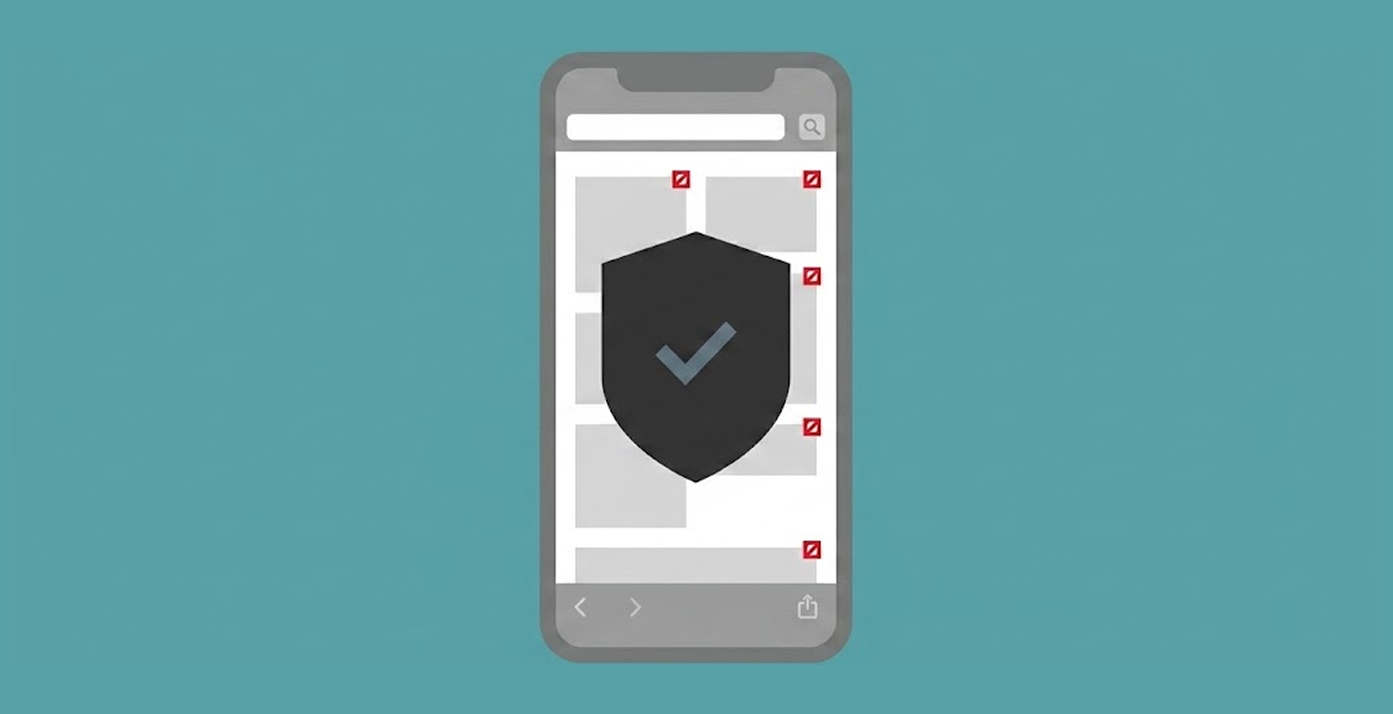
Firefox Users on iOS Can Now Block Ads without an Extension
Mozilla is slowly rolling out a built-in ad blocker for Firefox on iPhones and iPads, no extension n...
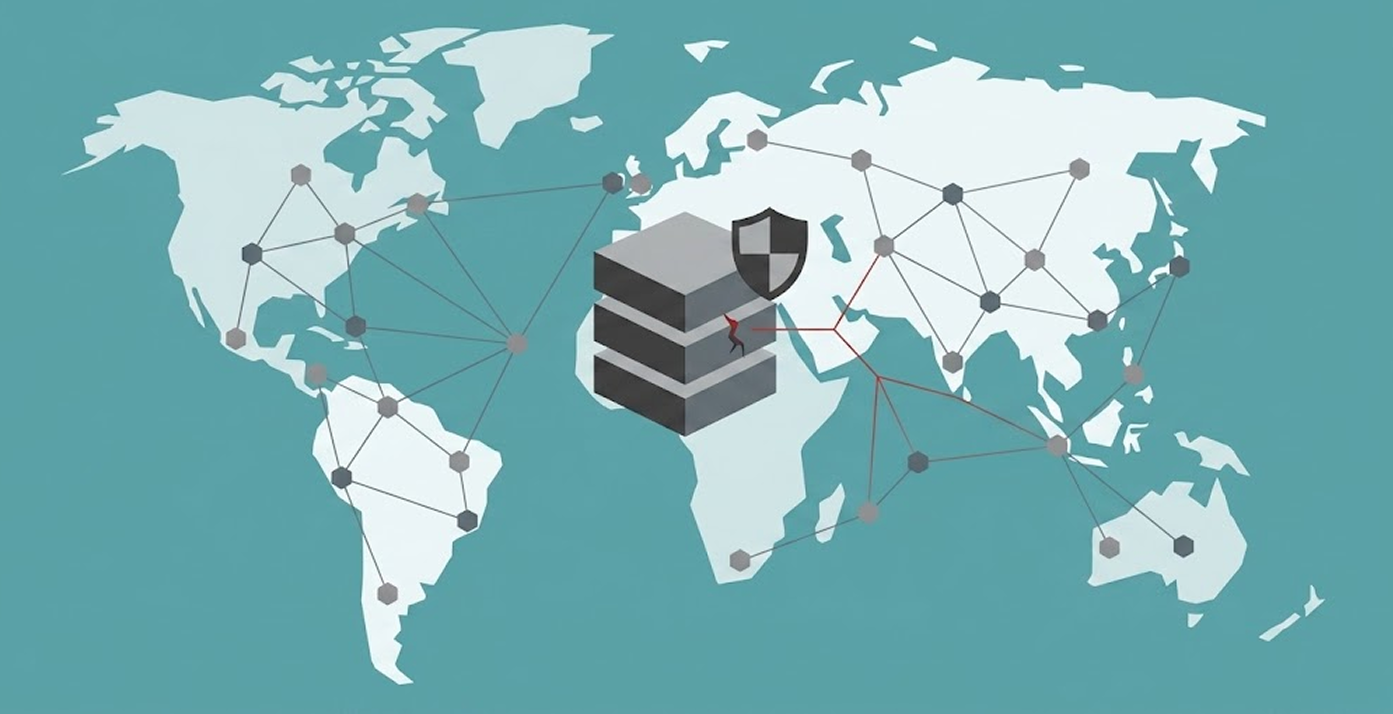
Suspected Chinese Hackers Exploit Critical VMware vCenter Flaw Across 47 Countries
Several servers across 47 countries record a compromise via an exploit of Vmware vCenter directory-t...

WhatsApp Tests On-Device Scam Alert without Reading User Messages
WhatsApp is testing a new tool called Scam Alert that spots scam messages right on your phone. The t...
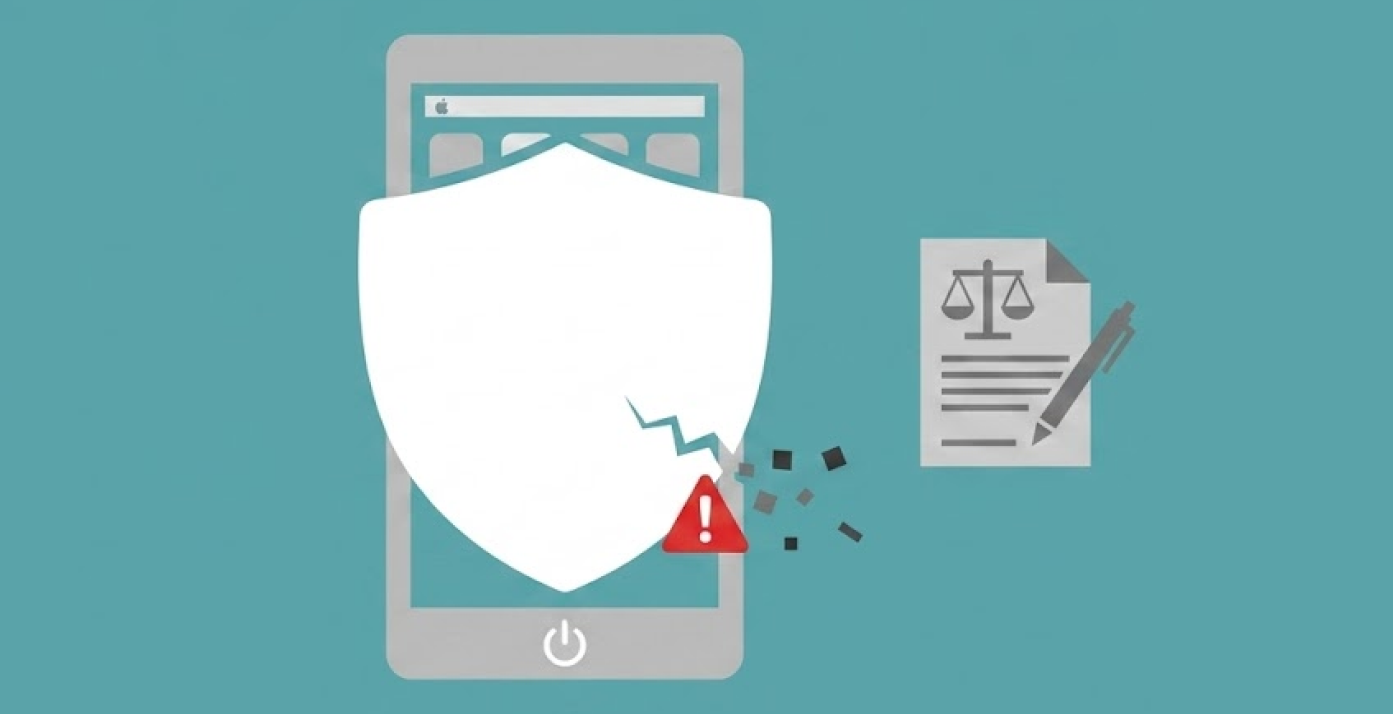
Apple Faces Lawsuit Over Claims that iCloud Private Relay Leaks User IP Addresses
A law firm sued Apple, saying its Private Relay tool did not protect user privacy as promised. Exper...
Hackers Exploit TrueConf Servers to Distribute Malware Through Fake Software Updates
A hacker group named Head Mare broke into TrueConf video meeting servers and swapped safe installers...
New NatJack Attack Exposes Hidden Weakness in How Networks Handle Internet Connections
Security researcher Malcolm Stagg has uncovered NatJack, a new class of attacks that exploits a fund...