

- A fresh study links South Korea’s telecom data breaches to a jump in customers changing carriers.
- Researchers studied 7,120 people and found that 35.3 percent switched carriers between 2024 and 2025.
- Bundled service users tend to stay, but privacy fears now push many others to leave.
South Korea’s telecom data breaches appear to be changing how people pick their mobile providers, according to a new study. The study shows that privacy worries now play a bigger role in that choice.
Customers who fear their data most are the ones most likely to walk away from their current carrier. The Electronics and Telecommunications Research Institute, known as ETRI, ran the study. Researchers published their findings in the latest issue of Electronics and Telecommunications Trends.
How the Study Tracked Customer Behavior
ETRI pulled data from 7,120 people who took part in the Korea Media Panel Survey. Among them, 2,516 people changed mobile carriers between 2024 and 2025. That works out to 35.3 percent of all participants. Researchers then compared this group against people who stayed with their original provider. They wanted to know what made customers decide to leave.
The study found a clear link between privacy fears and carrier switching. People who worried more about hackers stealing their data were more likely to switch. People who felt uneasy about companies asking for too much personal information also switched more often. This pattern stood out clearly in the 2024 to 2025 data.
That link did not exist before. Researchers checked data from 2024, which came before South Korea’s major telecom breaches last year. Back then, privacy concerns had no real connection to whether someone switched carriers.
The comparison shows a shift in customer thinking. Researchers say the breaches made people pay closer attention to how companies handle their data. Data protection turned into something that shapes real customer decisions, not just a background worry.
Who Stays and Who Leaves
Not every customer moves easily. People with bundled plans, meaning mobile service tied to home internet or IPTV, tend to stay put. Switching all those services at once takes effort. Customers also risk losing bundle discounts or paying cancellation fees. That combination keeps many bundled subscribers locked in, even when they worry about privacy.
Voice plan type also mattered. Customers with unlimited voice-call plans switched carriers more often than others. Interestingly, having an unlimited data plan showed no clear link to switching behavior either way. Age and education levels shaped customer decisions too. Older customers switched more often than younger ones.
People with less formal education also switched more than those with more schooling. Gender and income showed no meaningful pattern. Neither factor predicted whether someone would leave their carrier.
A New Warning for Telecom Companies
These findings point to a shift in South Korea’s competitive telecom market. Price, network coverage, and bundle discounts have long kept customers loyal. Now, data protection is becoming part of that same competition. A carrier’s security record may soon carry as much weight as its prices.
According to the researchers, people today understand the value of protecting their personal data far better than before. They added that how well a carrier protects customer data could now shape who chooses to sign up or leave. That marks a real change from years past, when price and coverage did most of the work in keeping customers loyal.
The researchers called on telecom companies to tighten their security measures. They urged providers to keep testing and strengthening their systems on an ongoing basis. That means acting before another breach happens, not scrambling to respond afterward. Companies that treat privacy as a core service, rather than an afterthought, may hold an edge going forward.
South Korea’s government is also taking action at the national level. The science ministry announced plans to launch a sovereign AI model specializing in cybersecurity by the end of 2026, training it on security-related data to defend against AI-powered cyber threats and reduce reliance on foreign AI models.
South Korea’s telecom sector has faced growing scrutiny after last year’s breaches exposed customer records at major carriers. Public trust took a visible hit, and this study suggests that it has changed real buying behavior. As more customers learn about these risks, providers may find that strong data protection keeps people around just as much as a good deal does.
For now, the message to telecom companies is straightforward. Customers are watching how carriers handle their data, and they are willing to leave if they don’t like what they see.
Share this article
About the Author

Farwa is an experienced InfoSec writer and cybersecurity journalist skilled in writing articles related to cybersecurity, AI, DevOps, Big Data, Cloud security, VPNs, IAM, and Cloud Computing. Also a contributor on Tripwire.com, Infosecurity Magazine, Security Boulevard, DevOps.com, and CPO Magazine.
More from Farwa SajjadRelated Posts
StopAndProtect Hijacks 2,000 WordPress Sites to Spread Malware and Ransomware
A new malware operation called StopAndProtect hijacks WordPress sites to build hidden command center...
Firefox Users on iOS Can Now Block Ads without an Extension
Mozilla is slowly rolling out a built-in ad blocker for Firefox on iPhones and iPads, no extension n...
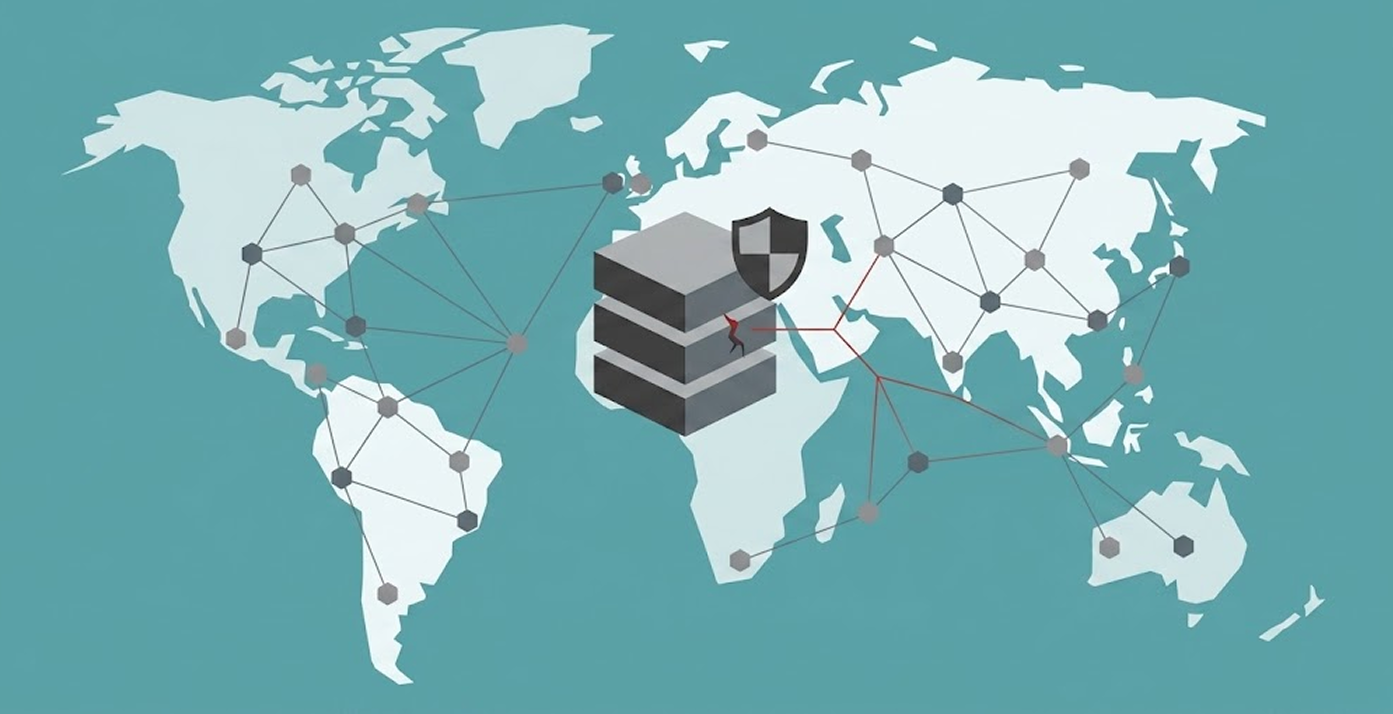
Suspected Chinese Hackers Exploit Critical VMware vCenter Flaw Across 47 Countries
Several servers across 47 countries record a compromise via an exploit of Vmware vCenter directory-t...
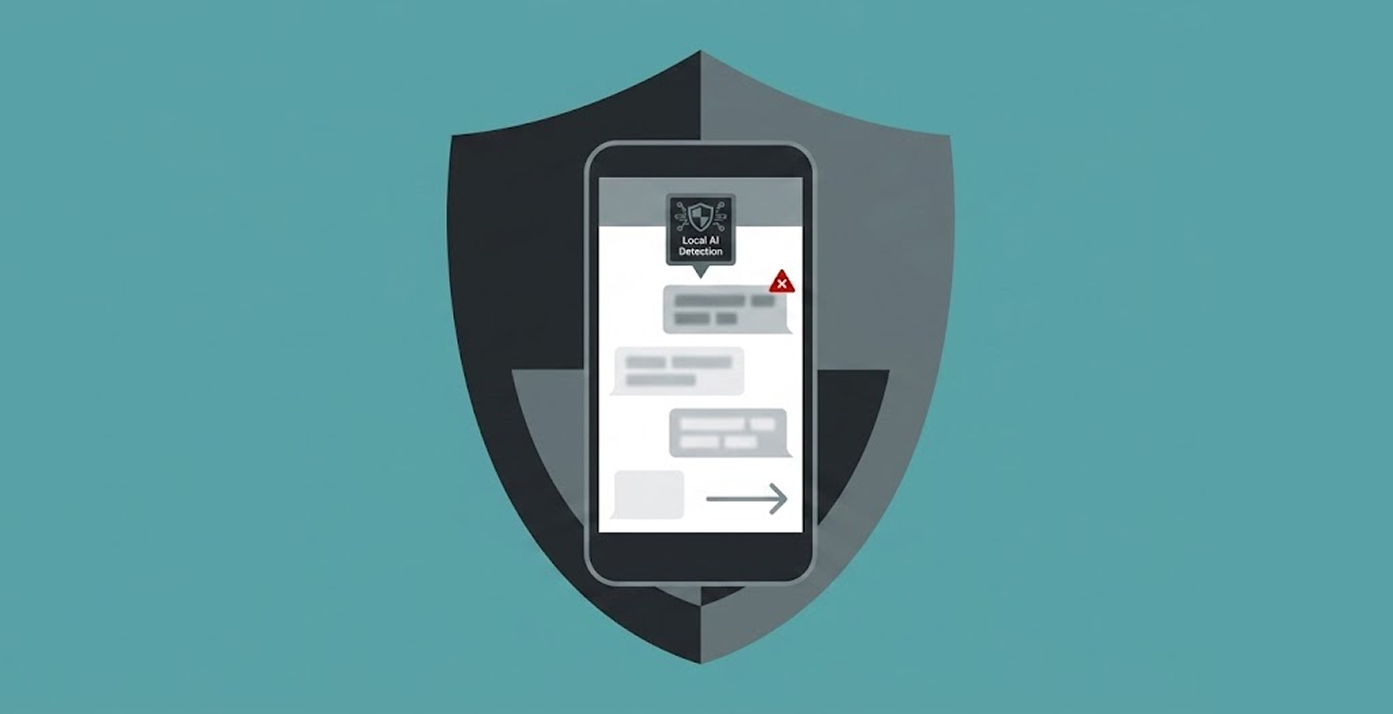
WhatsApp Tests On-Device Scam Alert without Reading User Messages
WhatsApp is testing a new tool called Scam Alert that spots scam messages right on your phone. The t...
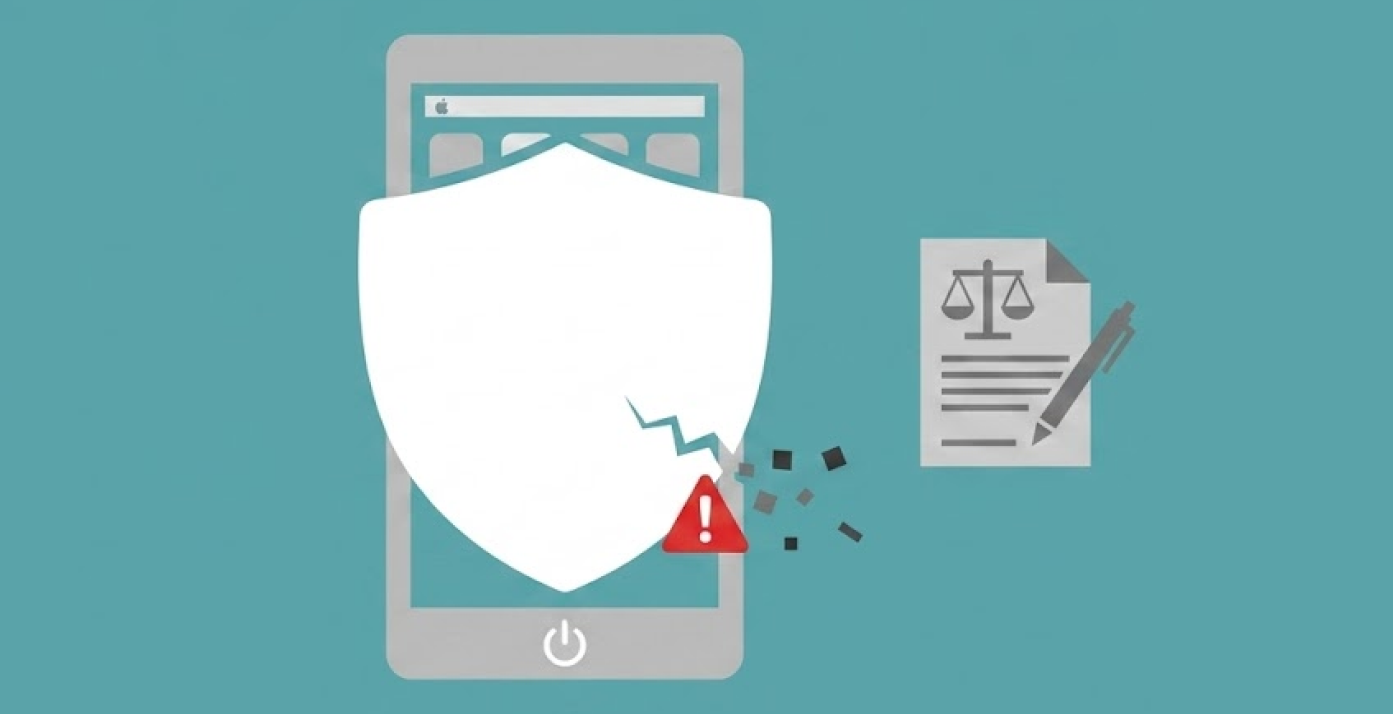
Apple Faces Lawsuit Over Claims that iCloud Private Relay Leaks User IP Addresses
A law firm sued Apple, saying its Private Relay tool did not protect user privacy as promised. Exper...
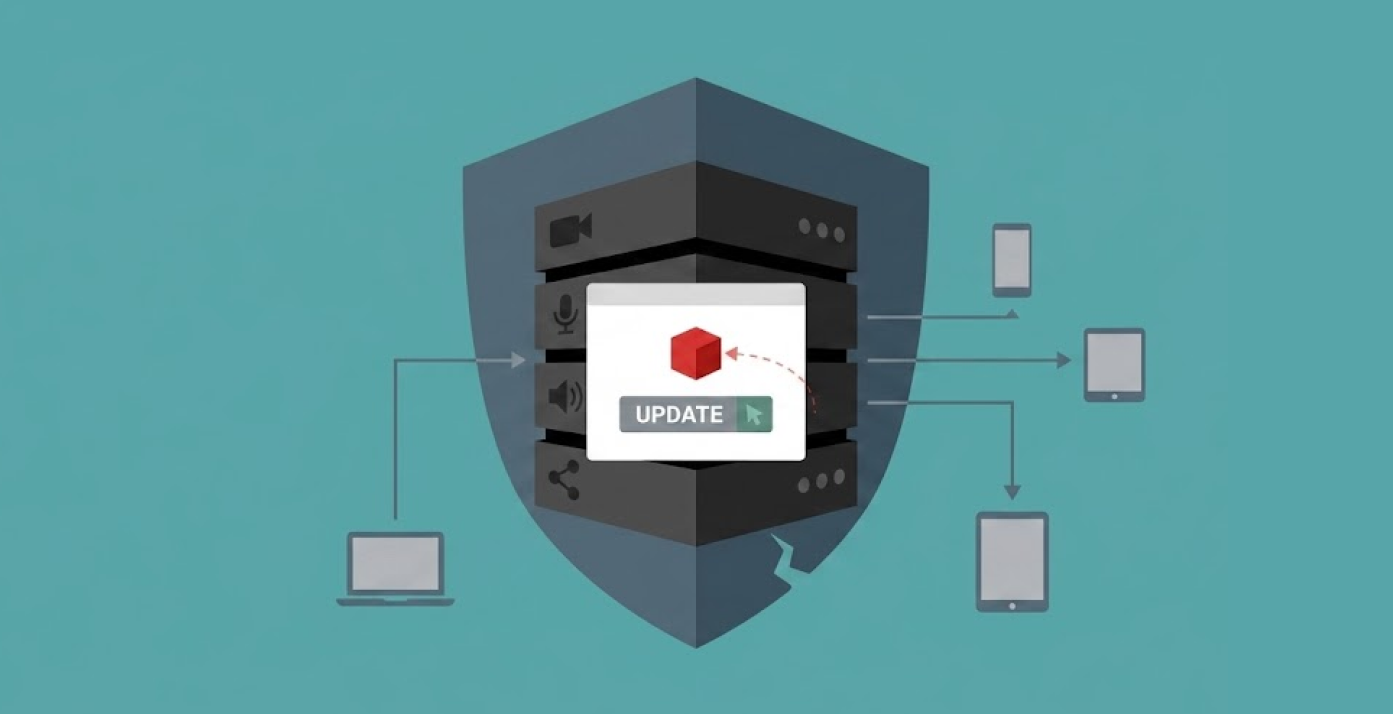
Hackers Exploit TrueConf Servers to Distribute Malware Through Fake Software Updates
A hacker group named Head Mare broke into TrueConf video meeting servers and swapped safe installers...