
- The U.S. Embassy says hackers linked to China infiltrated the systems of a regional group in Suva for several days.
- The embassy also says governments in the Pacific, multilateral organizations, and telecommunications networks face increasing cyber threats.
- Fiji is taking the warnings seriously as Google builds new underwater networks connecting Suva with Guam, Australia, French Polynesia, and the US.
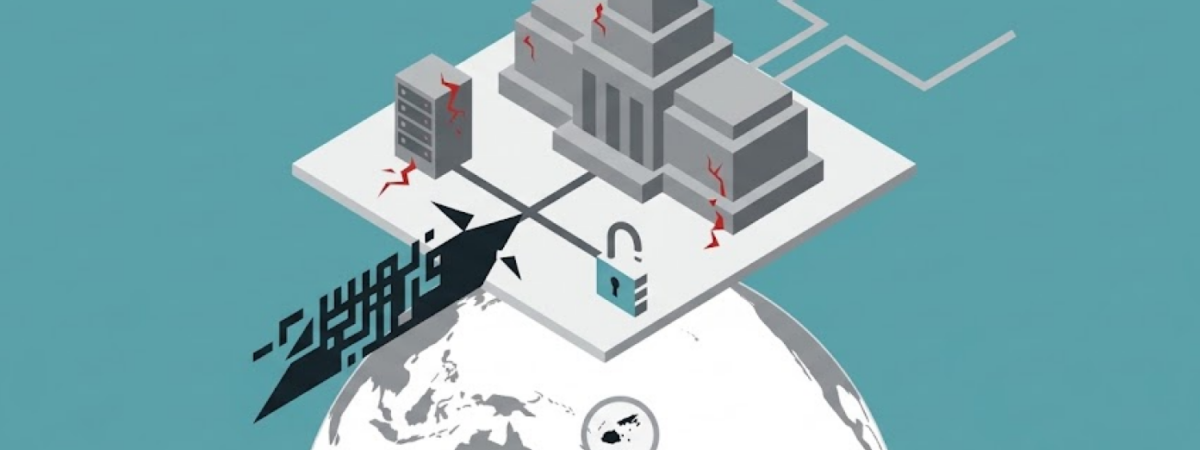
The US Embassy in Suva says China-linked hackers broke into the network of a regional organization in Fiji. The suspected compromise happened between July and August 2026.
The embassy says the hackers stayed inside the network for several days. It has informed the Fijian government and the affected organization, but it has not named the organization.
What the US Embassy Said
The embassy announced that it had detected a possible breach of the network security at the Suva-based institution. It provided technical advice for the country as well as for the institution to help secure their systems.
Fiji is under the supervision of the embassy, along with other countries such as Kiribati, Nauru, and Tuvalu. The embassy pointed out that the incident was part of the wider espionage trend in the region.
Further, the embassy said that state-sponsored hackers from China have been attacking various governments and telecommunications companies operating in the region.
The embassy has not yet disclosed the type of information stolen by hackers, furthermore, it has failed to provide details regarding the way the criminals breached the network.
Fiji Responds to the Alert
The Minister for Policing and Communications of Fiji, Ioane Naivalurua, said authorities are reviewing the situation. He said police are also investigating the reported breach. The minister said the government received the alert from the US Embassy. He added that officials will assess the risk and decide the next steps.
Also, the Foreign Affairs Minister of Fiji, Sakiasi Ditoka, also commented on the issue. He said Fiji must strengthen its cybersecurity because of rising competition between China and the United States in the Pacific.
The Pacific Islands Forum said its secretariat was not the targeted organization. This clears one major regional body, but the embassy has not revealed the affected group.
Reason to Consider Suva
Suva is emerging as a major telecommunications center in the Pacific region. Google is currently installing new underwater cables through the capital of Fiji. These cables will create a connection to Guam and Australia, French Polynesia and the mainland of the US via Suva. Guam hosts a well-known military base of the US.
Underwater cables are responsible for most of the global internet data transmission. Also, they enable the operation of a number of services, such as government communications, banking systems, and business networks.
Cloud infrastructure also plays a role in supporting intelligence operations, with Amazon announcing a secret cloud region service to assist the CIA.
The US warns that hackers may target Pacific telecommunications networks because these systems connect many countries. A breach at one hub could affect communications across the region.
China Rejects the Allegation
China has rejected the US allegation. Its embassy in Fiji accused Washington of politicizing cybersecurity and making claims without evidence. China said it opposes hacking activities. It also accused the United States of applying double standards in its cyber policy.
The dispute adds to growing tension between the two countries in the Pacific. The United States has repeatedly raised concerns about Chinese cyber operations and influence in the region.
However, the US Embassy has not released technical evidence publicly. Therefore, outside researchers cannot independently confirm the source of the attack.
What Pacific Organizations Should Do
Organizations and governments in the Pacific region must assess the security measures related to their networks. The upgrade of software, closing remote access that is not in use, and implementation of multi-factor authentication for each employee are essential.
Security groups should check all the networks for abnormal logins, transfers that seem strange, plus some unknown devices. The segmentation of networks is a good step to prevent hackers from entering various systems easily.
Telecommunication companies should make sure that they provide maximum protection for cable landing points & network management systems. They should also test incident-response plans before a major attack happens.
The US says it will continue monitoring cyber threats in the Pacific. It urges governments and organizations to act quickly when they receive threat warnings.
Share this article
About the Author

Rebecca James is an IT consultant with forward thinking approach toward developing IT infrastructures of SMEs. She writes to engage with individuals and raise awareness of digital security, privacy, and better IT infrastructure.
More from Rebecca JamesRelated Posts
French Police Shut Down Reacher and Stryx, Arrest Three 17-Year-Olds
French police arrested three 17-year-olds for allegedly operating the Reacher and Stryx stolen data ...
Privacy Concerns Grow Over Meta Muse Profiles of People Who Never Use the App
WIRED and independent researcher Karan Joshi report that Muse’s instructions tell it to build a page...
ICANN Switches DNS Root to KSK-2024 in Major Internet Security Update
The root zone KSK rollover took place on October 11, the second time since the first one nearly a de...
Florida Sues TP-Link Over Router Security Risks and Alleged China Links
Florida’s Attorney General James Uthmeier sued TP-Link, saying the company hid risks tied to i...
Microsoft Warns Hackers are Using AI to Speed Up Cyberattacks
Microsoft declared that threat actors are presently reaping AI advantages at a faster pace with rega...
Signal Expands Encrypted Backups and Private iPhone Transfers in Version 8.30
Signal version 8.30 adds on-device backups to iOS and Signal Desktop. The update separates media fil...