

- Fraudsters are pretending to be FBI officials to exploit victims who had already fallen prey to scams to rip them off a second time.
- Crooks employ AI-created deepfakes and websites that emulate the actual IC3 website.
- It’s worth noting that the genuine IC3 will never contact anyone through private social media DMs demanding payments pouring claim to recover lost money.
The FBI issued a fresh warning about a crafty scam where criminals pretend to be FBI agents. They’re targeting folks who were already victims of a scam once. This time, these con artists are using AI-generated videos and fake websites to win people’s trust and squeeze out even more personal info and cash.
On July 20, the Internet Crime Complaint Center (IC3) put out an updated alert to lay out exactly how these scams are evolving.
How the Scammers Operate
The fraudsters use a variety of methods to initiate contact. Some victims receive an unexpected email or phone call. Others see advertisements on social media or online forums. Nearly all complainants report that the scammers claim they have recovered the victim’s lost funds or offer to assist in the recovery process.
This promise is a lie. It is a ruse designed to steal more money and information from someone who has already been hurt. Scammers similarly exploit the demand for privacy tools by creating fake VPN services.
Scheme One: The Social Media Impersonator
In one common variant, scammers create fake profiles on social media sites. They pose as FBI personnel to lure victims into “re-targeting” scams, also referred to as “recovery” or “double-dip” scams.
Here’s how this one usually happens. Someone gets scammed, figures it out, and threatens the scammer, says they’ll report them to the FBI and file an IC3 complaint. Shortly after, another person would reach out, this time posing as an FBI agent on Facebook Messenger.
They push for the conversation to move over to Telegram. They send a link that they claim will update the IC3 report. That link might contain malware that’ll infect your device, steal your financial and personal information, and send it to the scammers. Then they’ll use that data to target the victim again.
Scheme Two: AI-Generated Videos and Spoofed Websites
This one is a bit more high-tech; the scammer uses AI-generated videos, or deepfakes, to make the schemes convincing. These videos show a senior FBI officer encouraging users to file complaints. They share them on social media platforms to promote a spoofed IC3 website.
The fake site looks very similar to the official government website. But it only allows the user to interact with the complaint submission form. If they click on other things, it returns them back to the home page.
The complaint form is also different. The complaint form only has a single page. The page requests that you fill out personal information, your name, phone number, email, scam type, and how much money you lost.
When you click on submit, the website generates a reference number and then tells you that someone will contact you shortly. That’s just to make you feel safe; meanwhile, the scammers are busy collecting your personal info.
The Role of AI in These Scams
Scammers predominantly use AI-generated videos to make their antics convincing and deceive smart people. They employ these technologies to create convincing stories of different high-profile personalities. The goal? To instil fear and urgency in the victim, which they exploit to make them release funds.
They can use AI videos to conduct video calls in real-time. So, they can impersonate directors, officials, etc. They also create these videos for private communications. This is to “prove” that you are talking to a “real person”.
What to Do to Protect Yourself
The FBI recommended ways to avoid becoming a victim of such scams. One thing you must know is that the IC3 doesn’t have any social media accounts. It does not investigate crimes or recover funds through Facebook, Telegram, or similar platforms. Any social media account claiming to be the IC3 is fraudulent and is trying to steal your personal or financial information.
Moreover, the IC3 will never contact people directly by phone, through email or social networks, or apps. If they require additional information, they get it through the FBI’s offices or agencies.
To stay safe online, always type www.ic3.gov directly into your browser’s address bar. Avoid using a search engine to find the site. Many “sponsored” results are paid imitators trying to divert you from the legitimate website.
Also, carefully examine any communication you receive. Pay attention to minor discrepancies in emails, phone numbers, and URL sites. Hackers use minor changes to manipulate you into believing them and developing trust.
Pay attention to minor discrepancies in the video, such as unnatural hands or faces. Also, pay attention to the caller’s tone and choice of words. AI voices have become advanced these days; you can hardly tell them apart from real human voices.
Sometimes, fraudsters call or send messages to scare, anger, or shock you to get you to take action quickly. The best move? Always stop and verify every piece of information using credible sources before you respond.
Actionable Steps for Victims
If you or someone you know got scammed, go to www.ic3.gov and file a report. Let them know everything you know in detail, names, info about the company or person who contacted you, email address, etc. Jot down all the ways they contacted you—websites, phone, texts, social media, you name it.
Don’t forget the money part: when you sent the money, how much, what method (Venmo? Wire transfer? Crypto, bank card?). Describe exactly your interactions with the scammer. Did they sweet-talk you? Threaten you or try to rush you into doing something? Be specific, even the weird stuff matters.
The IC3 will never ask for payment to recover lost funds. Also, note that the IC3 will never send you to a company that charges for recovery services.
And importantly, don’t send money, crypto, gift cards, or basically anything valuable to a random person online or folks who cold-called you. If you’re 60 or older and unsure of how to complain, call the DOJ Elder Justice Hotline: 1-833-FRAUD-11—they’ll help you out.
Share this article
About the Author

Farwa is an experienced InfoSec writer and cybersecurity journalist skilled in writing articles related to cybersecurity, AI, DevOps, Big Data, Cloud security, VPNs, IAM, and Cloud Computing. Also a contributor on Tripwire.com, Infosecurity Magazine, Security Boulevard, DevOps.com, and CPO Magazine.
More from Farwa SajjadRelated Posts
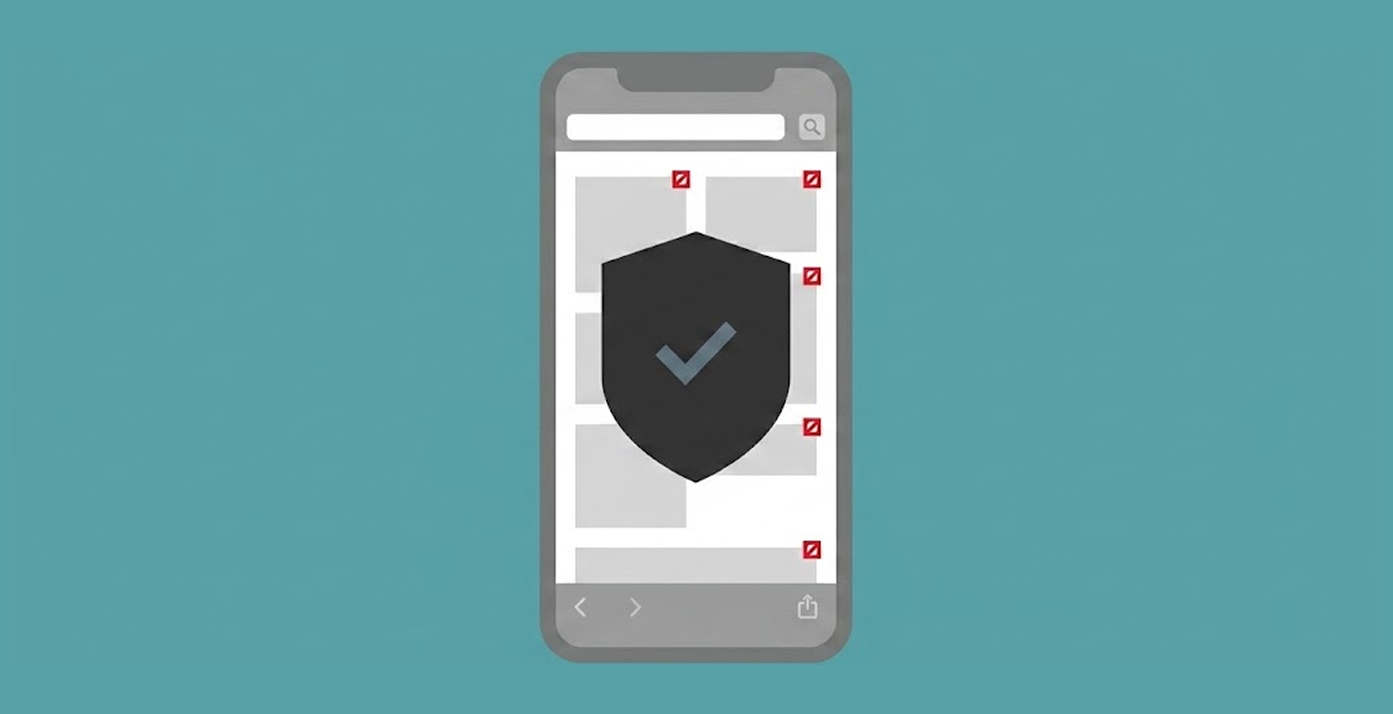
Firefox Users on iOS Can Now Block Ads without an Extension
Mozilla is slowly rolling out a built-in ad blocker for Firefox on iPhones and iPads, no extension n...

Suspected Chinese Hackers Exploit Critical VMware vCenter Flaw Across 47 Countries
Several servers across 47 countries record a compromise via an exploit of Vmware vCenter directory-t...
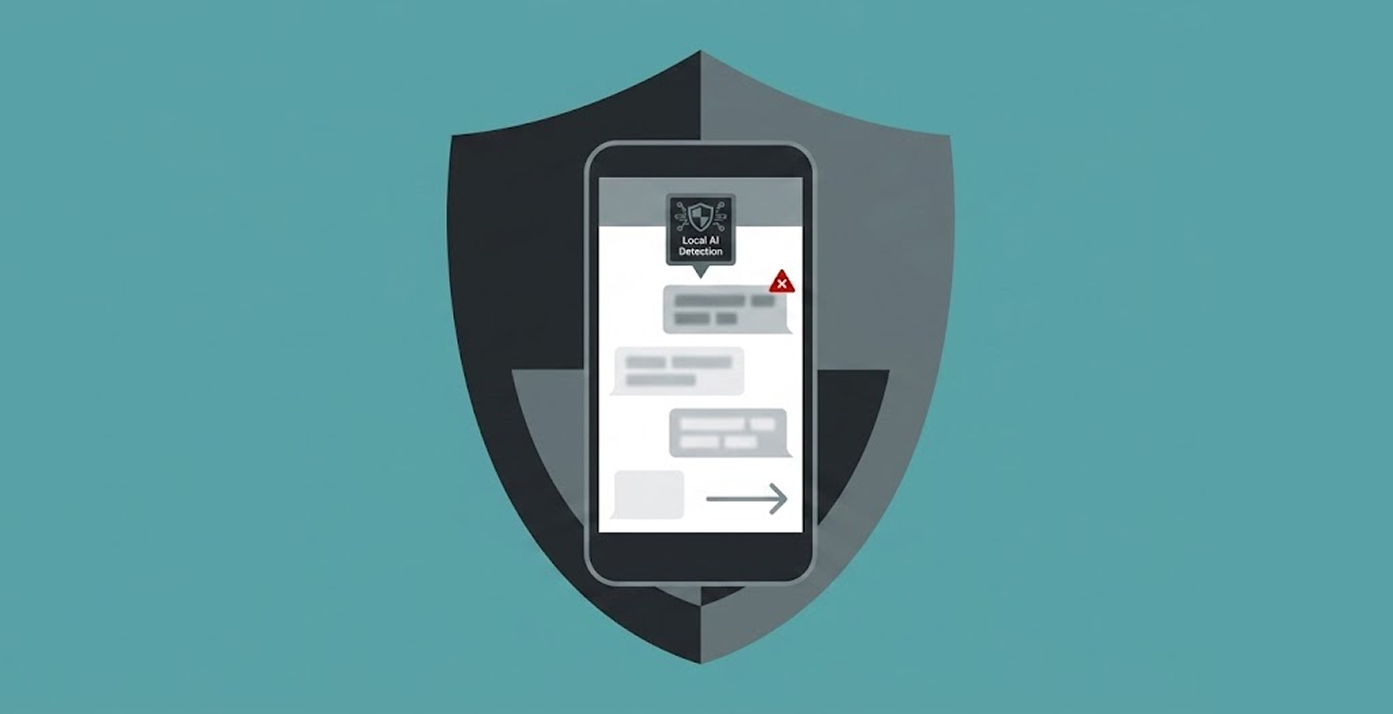
WhatsApp Tests On-Device Scam Alert without Reading User Messages
WhatsApp is testing a new tool called Scam Alert that spots scam messages right on your phone. The t...
Apple Faces Lawsuit Over Claims that iCloud Private Relay Leaks User IP Addresses
A law firm sued Apple, saying its Private Relay tool did not protect user privacy as promised. Exper...

Hackers Exploit TrueConf Servers to Distribute Malware Through Fake Software Updates
A hacker group named Head Mare broke into TrueConf video meeting servers and swapped safe installers...

New NatJack Attack Exposes Hidden Weakness in How Networks Handle Internet Connections
Security researcher Malcolm Stagg has uncovered NatJack, a new class of attacks that exploits a fund...