
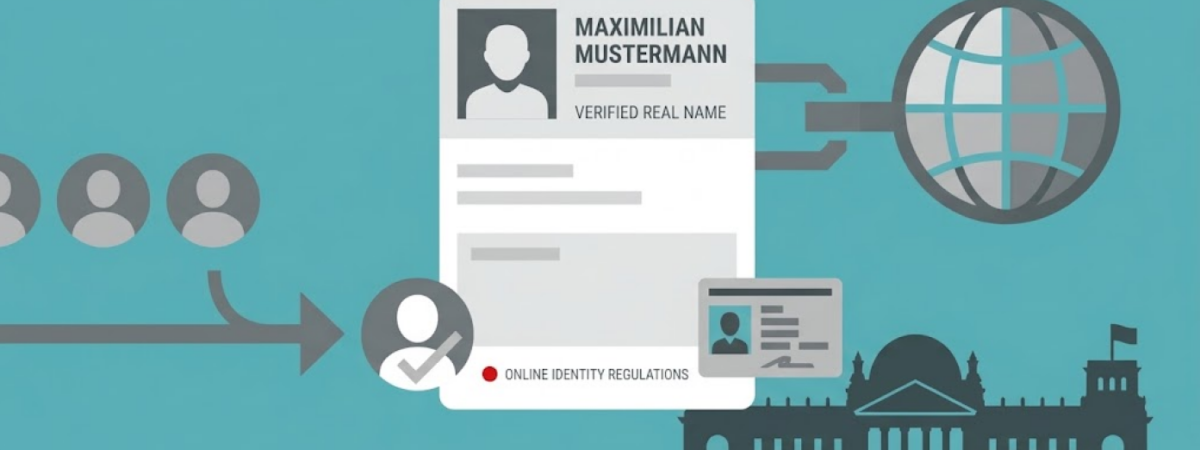
- German Chancellor Friedrich Merz reaffirmed his position on the adoption of real name policy on the internet at a youth event in Berlin on September 15.
- Anonymity, according to Merz, is an obstacle to identifying people behind malicious posts. He also raised concerns about bots.
- He did not announce a new law. The CDU has considered a real-name rule, but sent the proposal to party committees in February.
German Chancellor Friedrich Merz has again called for real names online. He said the digital world should not follow completely different rules from the offline world.
Merz made the comments on Sept. 15 at the German Chancellery in Berlin. He was meeting winners of the “Jugend forscht” youth research competition. This event brought together a lot of researchers from all over Germany.
In the course of the Q&A round, one of the participants asked about the implications of implementing a real name rule for informants and investigative journalists. The question also raised the need for anonymous communication in some cases.
Merz did not directly answer those points. Instead, he focused on the problem of identifying people behind online posts.
He pointed to pseudonyms, shortened names and made-up names. He also raised concerns about messages created by bots.
“Please, nobody come to me with Free Speech,” Merz said, according to reports from the event. He said the American approach to free speech was, at best, a “libertarian” political view that he did not share.
Merz said a liberal society must protect people from false information, personal attacks and discrimination.
His Argument Centers on Accountability
Merz said he grew up in the “analog world.” He questioned whether the internet should have completely different rules from those used offline.
He compared online posts with traditional newspapers. In his view, newspapers had clear publishers and authors. If a paper published false information, people could take legal action.
The internet works differently, Merz argued. Users can post under aliases or fake names. That can make it harder to determine who created a post and who should answer for it. Merz also complained about what he called a “coarsening” of online behavior. He linked that problem to automated accounts and bot-generated messages.
Merz said the AfD had benefited from bot-generated messages during the election campaign in Saxony-Anhalt. That statement should be treated as his claim about the campaign, rather than proof that bots caused the party’s result.
There is independent reporting of coordinated online activity around the election. RiffReporter found 21 Facebook groups posting large amounts of AI-generated content in support of the AfD before the vote. MDR also reported on a suspected foreign influence campaign that used a coordinated bot network.
Those reports show that automated and AI-generated political content existed. They do not establish how much such activity affected voting behavior.
Merz has Made the Demand Before
This is not the first time Merz has called for real names online. In February, he said he wanted to see real names on the internet because he wanted to know who was speaking.
He also compared online debate with politics. Politicians, he said, openly attach their names to their views. He said he expected people who criticize Germany and its society to do the same.
The CDU also discussed the issue at its February party conference. A formal CDU proposal called for a legal real-name requirement on social platforms. The proposal said providers should verify the identities of users. It argued that this would make it easier to punish illegal content and limit foreign influence.
However, delegates did not adopt the real-name proposal as party policy. The issue was sent to the party’s committees for further work. That distinction matters. Merz’s latest remarks were another public statement of his position. They were not an announcement that Germany had adopted a new real-name law.
Germany Already Has Laws Against Abusive Speech
Germany categorizes abusive and defamatory speech as a criminal offense. Sections 185,186, and 187 of the German Criminal Code address various forms of abuse, insult, malicious gossip/slander, and defamation.
If actions happen in public or the accused posts the content on the Internet, there may be severe punishments. Section 188 provides additional protection for people involved in political life.
Under certain conditions, a public insult linked to a person’s political role can bring a prison sentence of up to three years. Malicious gossip or defamation could attract longer sentences for more serious offenses.
The German Constitution also ensures freedom of expression. Article 5 of the constitution guarantees that everybody has the right to express and disseminate their opinions. It also protects freedom of the press and provides that there is no censorship.
Those rights do have limits. Article 5 allows restrictions under general laws, youth-protection rules, and laws protecting personal honor.
Anonymity Remains Part of the Legal Debate
The debate over real names goes beyond the question of whether online abuse should face punishment. Merz argues that identifying users would make it easier to establish responsibility and enforce existing laws.
Opponents of mandatory identification have raised various issues. Among those issues are the security of whistleblowers, sources, and journalists who need to keep their identities secret.
The debate over online anonymity also connects to wider government efforts to access private communications. In Australia, a new encryption law gives authorities more power to obtain encrypted communications, raising similar questions about privacy, security, and government access to protected messages.
German constitutional law states that the name of a person has a direct relation to freedom of speech. In a 1998 case, the Federal Constitutional Court said the use of a person’s own name in connection with a statement can fall under the protection of freedom of expression. The court also linked names to personal identity and the way people take part in public debate.
That does not mean German law guarantees complete online anonymity in every situation. It does show that identity and expression can raise constitutional questions. For now, Merz’s latest comments remain a political position rather than a new requirement for German internet users.
Any broad real-name rule would still need lawmakers to define its scope and enforcement. It would also need to address exceptions and protections for journalism, whistleblowers, and other forms of anonymous speech.
Share this article
About the Author

Farwa is an experienced InfoSec writer and cybersecurity journalist skilled in writing articles related to cybersecurity, AI, DevOps, Big Data, Cloud security, VPNs, IAM, and Cloud Computing. Also a contributor on Tripwire.com, Infosecurity Magazine, Security Boulevard, DevOps.com, and CPO Magazine.
More from Farwa SajjadRelated Posts
WhatsApp Tests ‘Restricted Chat’ Privacy Feature to Keep Chats Off Linked Devices
WhatsApp is testing a privacy tool called Restricted Chat that keeps a conversation on your main pho...
Palo Alto Networks Warns of Critical PAN-OS Flaw Allowing Remote Code Execution
Palo Alto Networks found a serious bug in its PAN-OS firewall software. Hackers do not need a passwo...
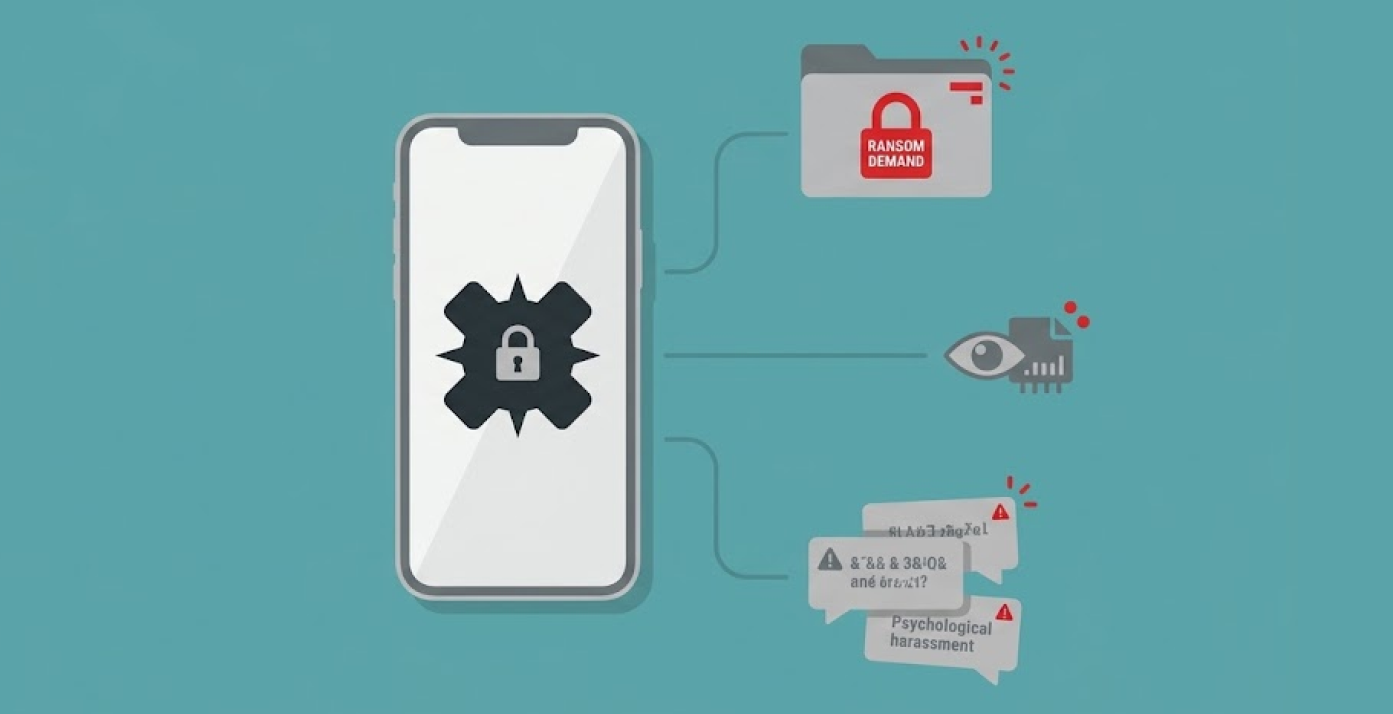
New Mantax Otax Android Malware Combines Ransomware, Spyware and Harassment
Mantax Otax is an Android malware strain operated by Indonesian threat actors that fuses file encryp...
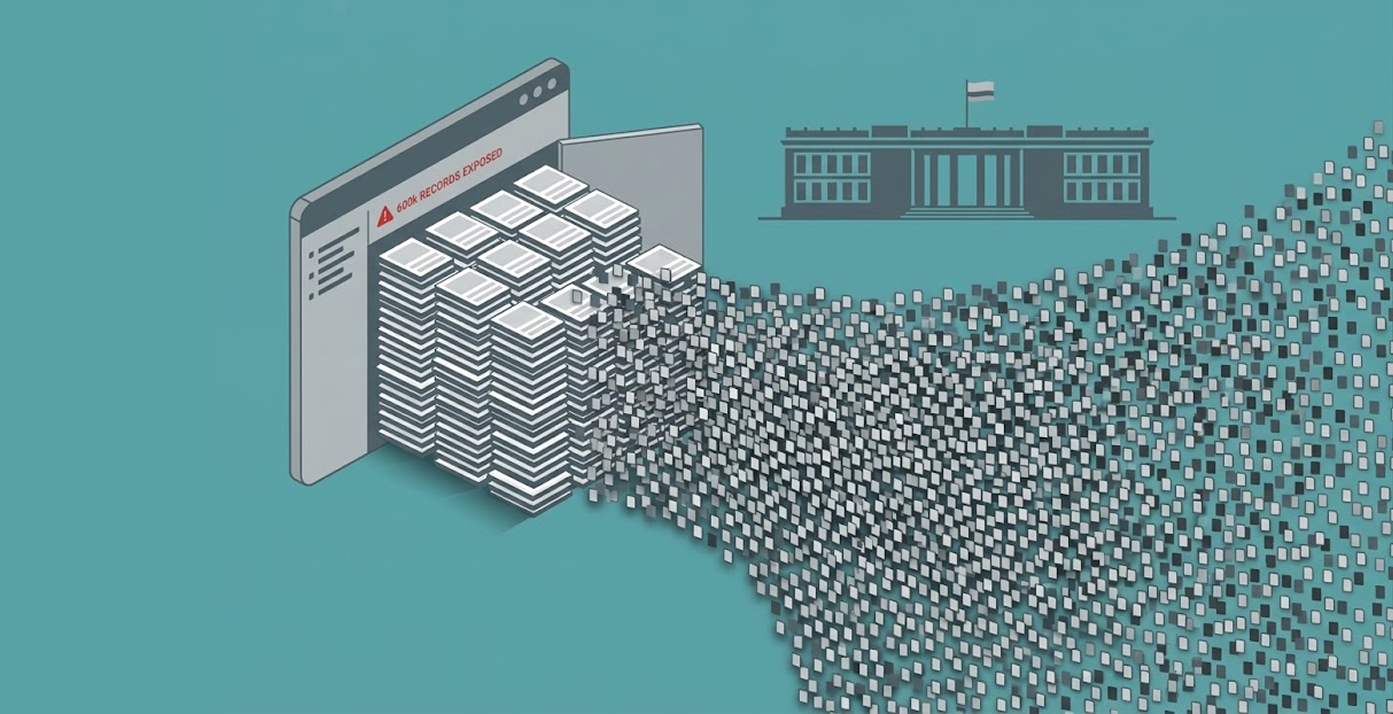
Hacker Claims 600,000 Tax Records Stolen From Colombia’s Cali Government
A threat actor claims to have accessed a database from the Office of the Mayor of Santiago de Cali c...
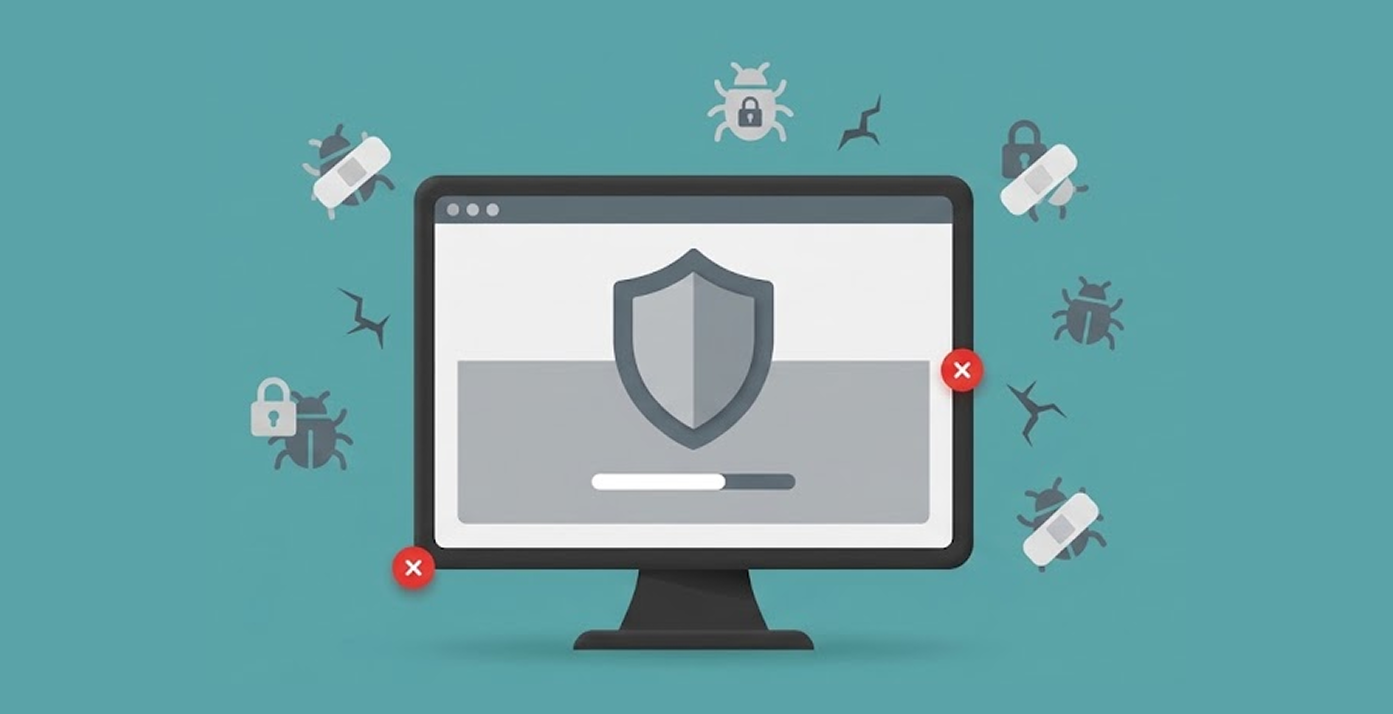
Microsoft Fixes Record 974 Security Flaws as Two Windows Bugs Face Active Attacks
Microsoft fixed 974 security flaws this Patch Tuesday, its biggest release ever. Two Windows bugs ar...
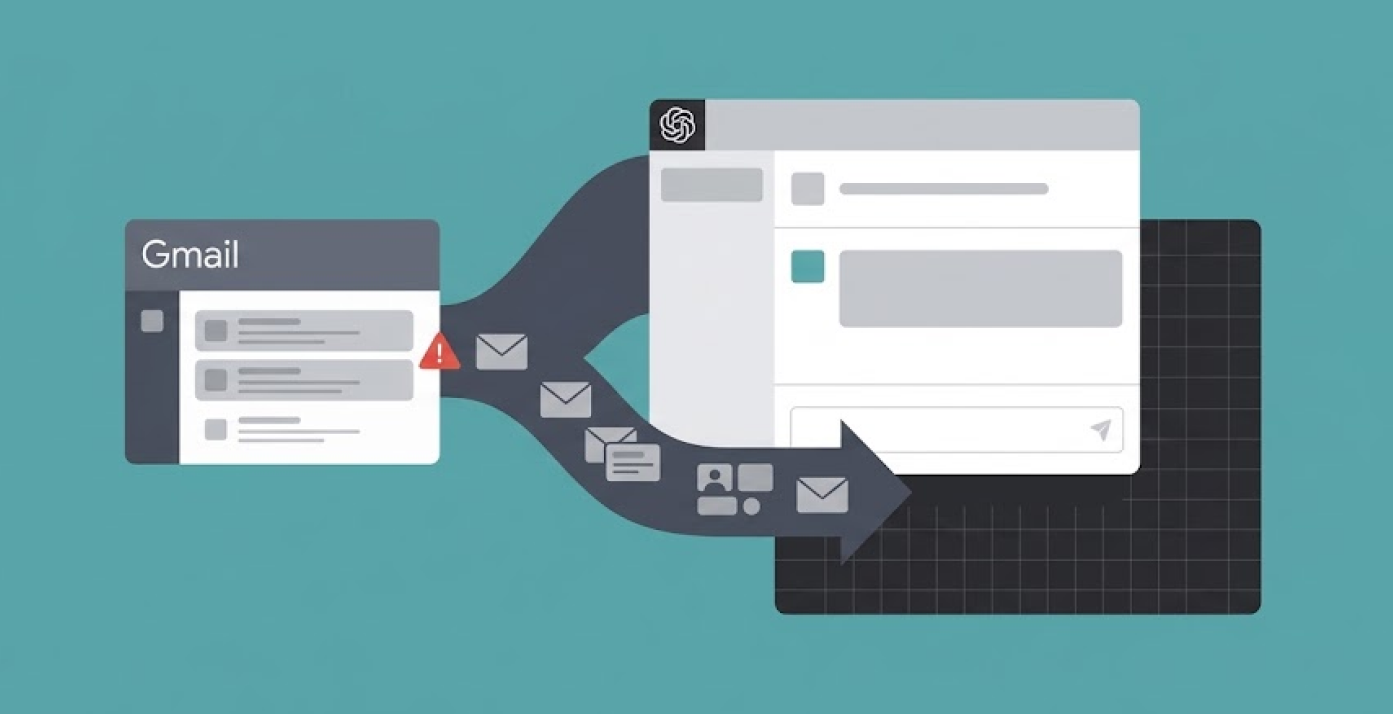
ChatGPT Security Flaw Lets Hidden Prompts Exfiltrate Gmail Data Across Accounts
A single hidden instruction inside a ChatGPT chat could quietly hand a stranger access to a userR...