


- The Dutch Data Protection Authority fined Uber €825 million, close to $966 million, for how it suspended drivers.
- Regulators say Uber’s software cut off driver income without enough human checks or warning.
- Uber plans to appeal the fine, while a digital rights group is preparing a class action case.
The Dutch Data Protection Authority just fined Uber €825 million. That again is about $966 million in U.S. dollars. It is the second largest fine ever given under Europe’s GDPR rules, according to Reuters.
Dutch regulators looked into complaints that Uber turned off driver accounts using an automatic process. Drivers said they got little warning first. They also said no real person checked the decision.
The Fine and the Complaint
Deputy Chair Monique Verdier spoke about the ruling. She said Uber broke the rules in a serious way. According to Verdier, a computer should never get to make big life-changing calls all by itself.
Uber sees things differently. The company said most driver bans only last a short time. It also said no driver gets permanently removed without a human checking first. Dutch regulators disagree. They said some drivers lost their accounts for good, with no human review at all. Uber denies this. Drivers can appeal a suspension, Uber added. The company plans to appeal this fine too.
A former Uber driver named Brahim Ben Ali helped push this case forward. His account got shut off back in 2019. He gathered stories from 170 other drivers after that happened. He eventually brought his complaint to the Netherlands. Uber’s European offices are based there, according to Dutch newspaper de Volkskrant.
A Swiss digital rights group called PersonalData.io helped Ben Ali along the way. The group’s founder, Paul Olivier Dehaye, helped drivers gather proof about how Uber made these decisions. Dehaye explained that a driver could finish a thousand safe trips. Yet the driver could still lose everything over one serious complaint.
Uber Pushes Back
An Uber spokesperson told Reuters the company firmly disagrees with the ruling. The spokesperson called the fine unfair and too harsh.
This is not the first fine Uber has faced in the Netherlands. Dehaye said this marks the third fine from Dutch regulators. Uber was fined €290 million over how it handled driver data. There was also an earlier €10 million fine tied to related problems.
Dehaye said every one of these fines traces back to the same group of drivers. He now plans to launch a class action lawsuit. Drivers involved could seek payback through that case.
Dehaye is also starting a new company called StartClaims. The company will support this lawsuit and other legal action. He wants to start with Uber, then move on to other gig work companies. He also plans to look into adtech companies later.
More Legal Trouble Ahead
Not everyone agrees with how the ruling was worded. Writer John Gruber raised concerns in a blog post. He worried the ruling could stop Uber from watching drivers who scam riders. He also worried it could stop Uber from catching drivers who skip pickups altogether.
Gruber also questioned Verdier’s wording. He compared blaming a computer to blaming a time clock. He said that’s what happens when a company fires a worker for being late. Also, he argued that managers set the rules. He said the machines just track whether workers follow them.
Dehaye pushed back on that idea. He said Uber can use humans to punish drivers who cheat the system. But he said Uber must then take responsibility, the same way any employer would. He said Uber cannot act like a simple marketplace once it starts making these calls.
The ruling has also sparked debate online. One commenter said Uber cut off drivers’ whole income using software. There was no human check and no real explanation given. That person said a real person, and a real appeal, must stand between any algorithm and someone’s paycheck.
Another commenter raised a bigger question. Who should be held responsible when an algorithm makes a life changing decision for someone? A different commenter went further, saying Uber should be banned across the whole of Europe.
In Germany, two state police offices admitted buying smartphone location data from commercial brokers for criminal investigations. Legal experts called the practice unlawful, while regulators are reviewing whether it bypasses court-approval requirements.
Not every driver loses their case, and not every complaint leads to a fine this big. Still, this ruling shows regulators are ready to act. Automated tools that control someone’s paycheck are now under close watch across Europe.
The case is still moving forward. Uber’s appeal has not been decided yet. Meanwhile, drivers and regulators across Europe are watching closely to see what happens next.
Share this article
About the Author

Rebecca James is an IT consultant with forward thinking approach toward developing IT infrastructures of SMEs. She writes to engage with individuals and raise awareness of digital security, privacy, and better IT infrastructure.
More from Rebecca JamesRelated Posts
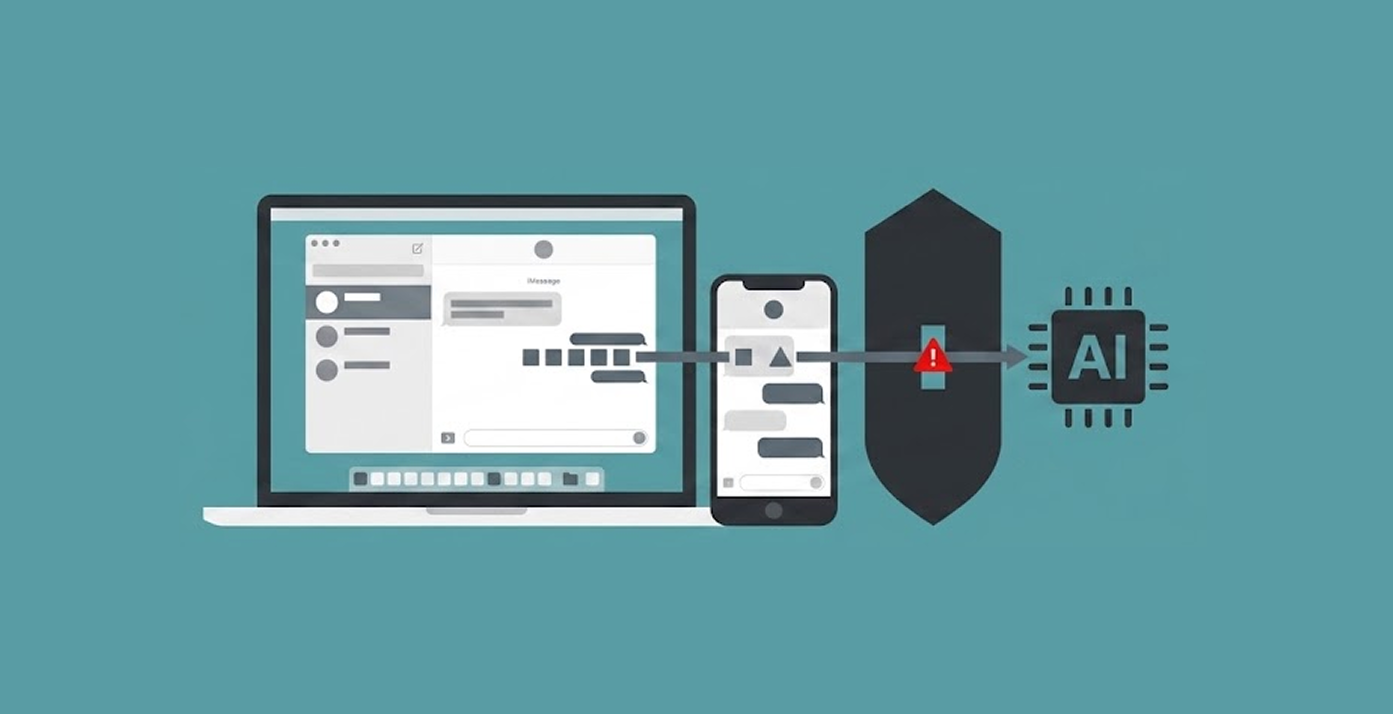
ChatGPT Gains Access to Mac Messages, Raising New Apple Privacy Concerns
OpenAI launched a new plug-in that lets ChatGPT read, search, draft and send messages on Mac compute...
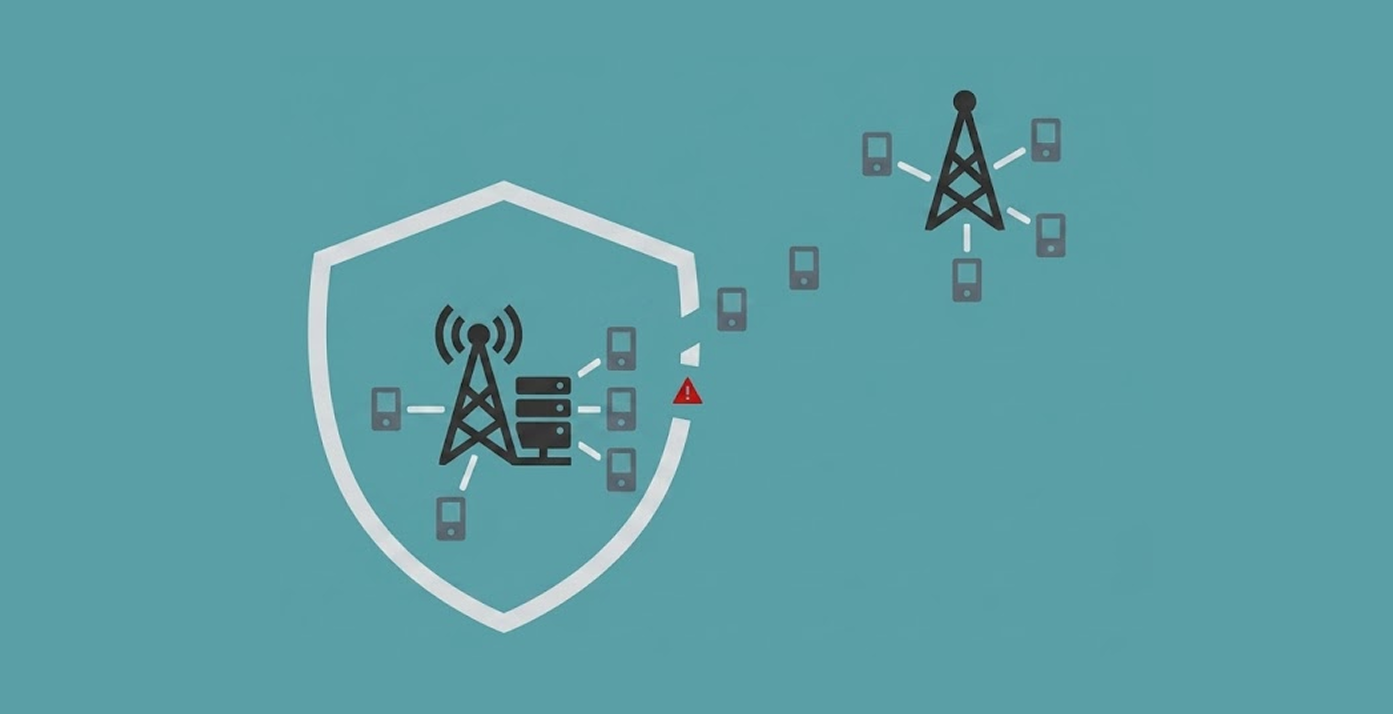
South Korea Telecom Data Breaches Drive More Customers to Switch Carriers
A fresh study links South Korea’s telecom data breaches to a jump in customers changing carrie...
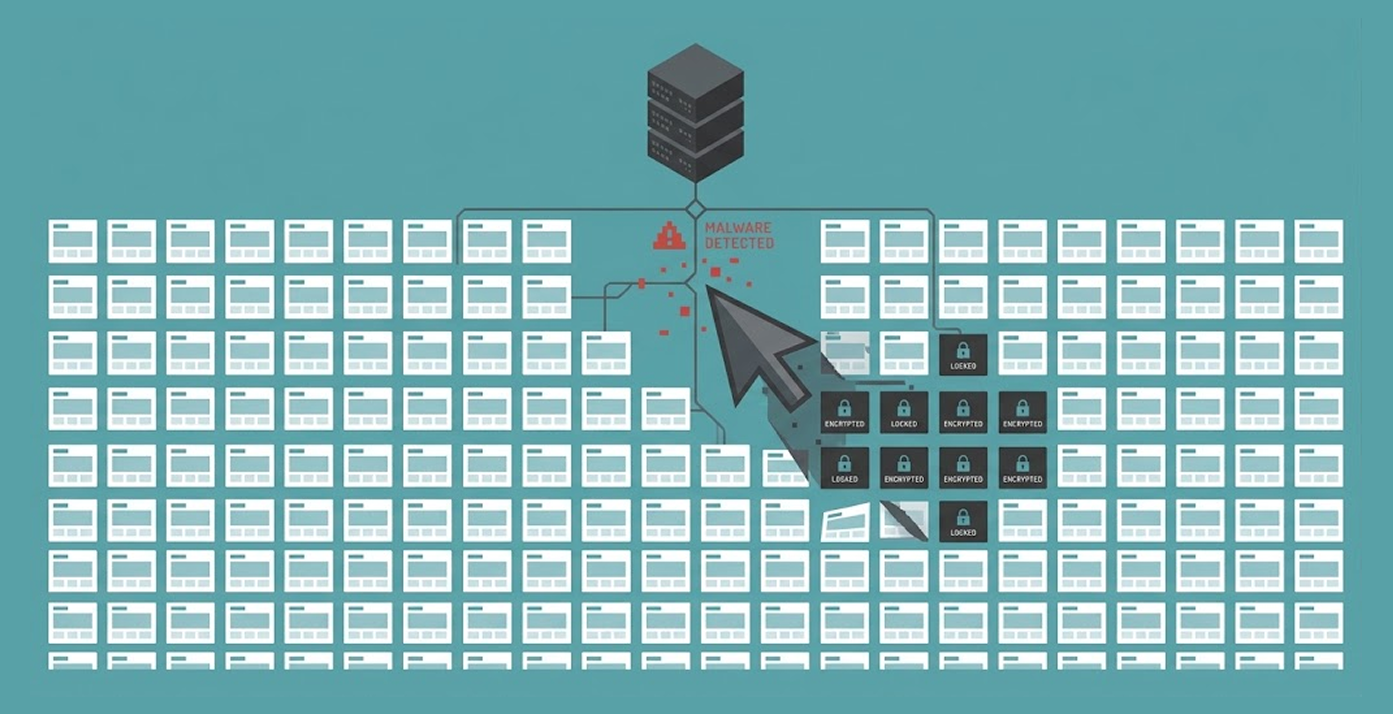
StopAndProtect Hijacks 2,000 WordPress Sites to Spread Malware and Ransomware
A new malware operation called StopAndProtect hijacks WordPress sites to build hidden command center...
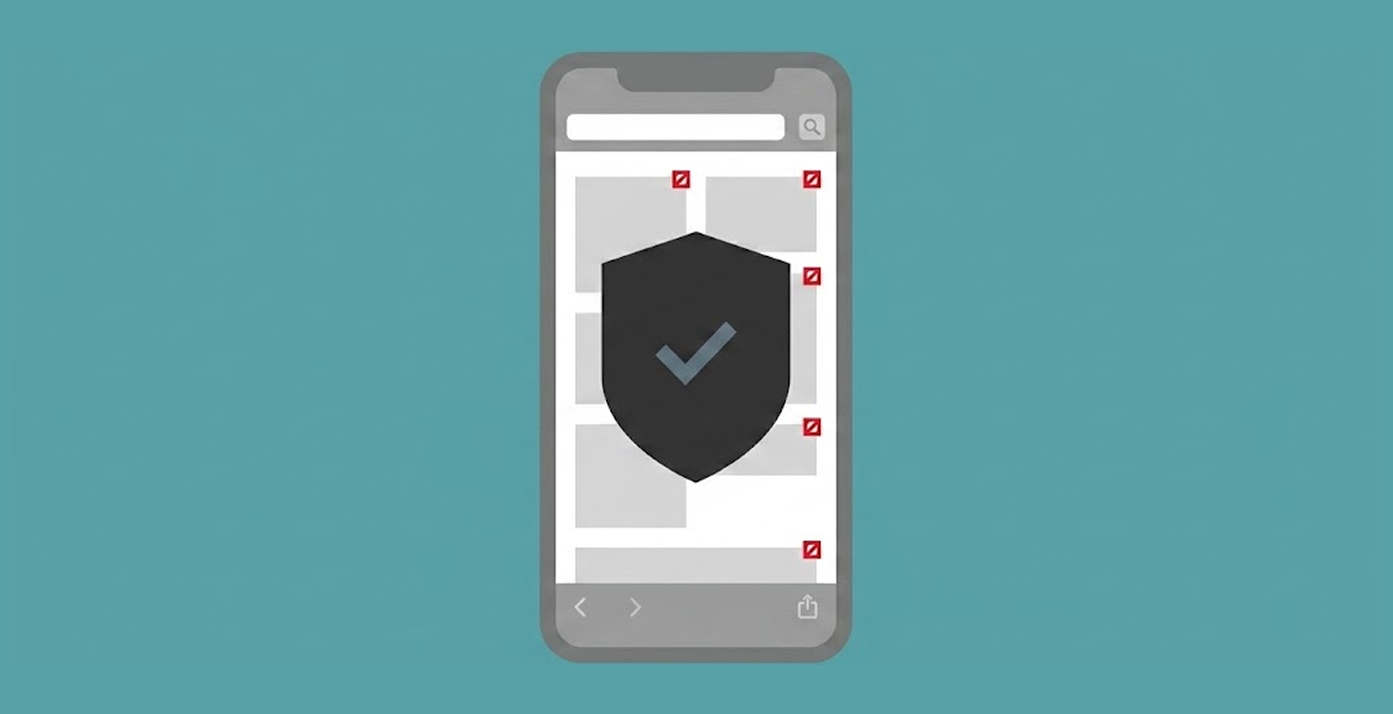
Firefox Users on iOS Can Now Block Ads without an Extension
Mozilla is slowly rolling out a built-in ad blocker for Firefox on iPhones and iPads, no extension n...
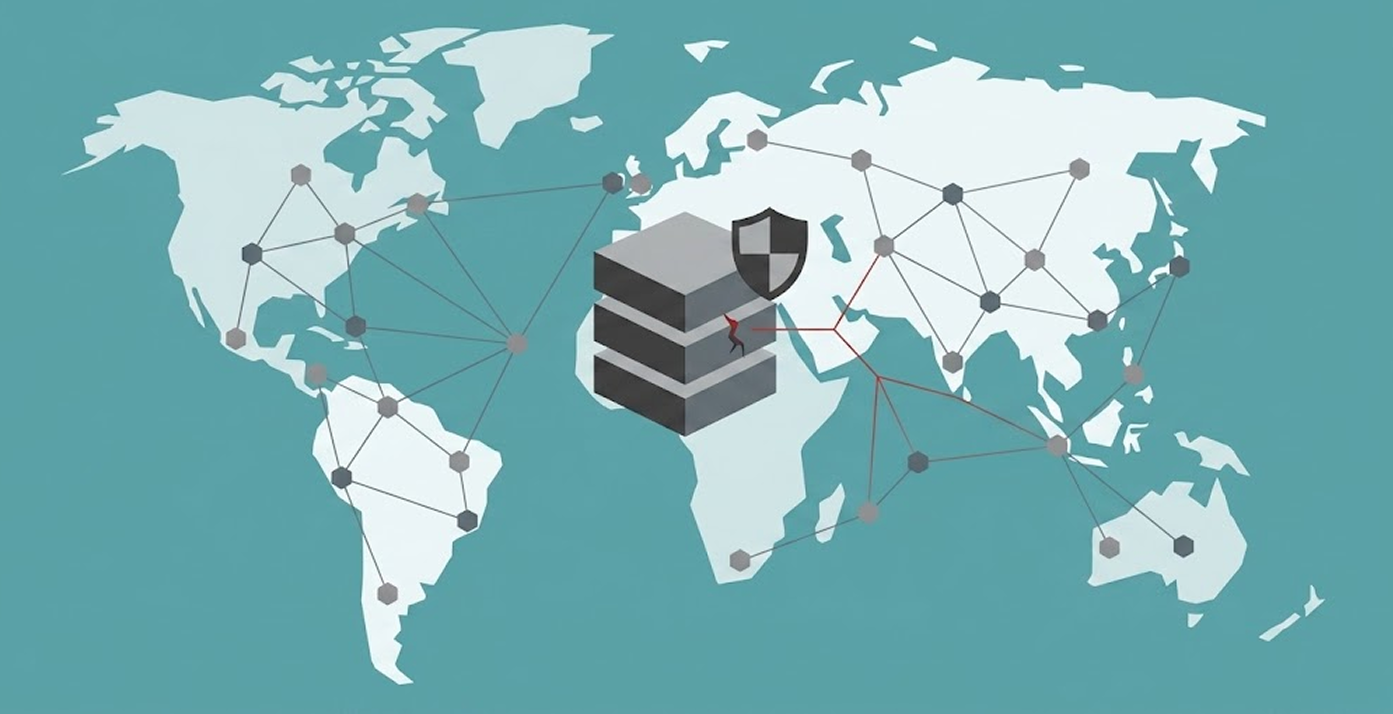
Suspected Chinese Hackers Exploit Critical VMware vCenter Flaw Across 47 Countries
Several servers across 47 countries record a compromise via an exploit of Vmware vCenter directory-t...
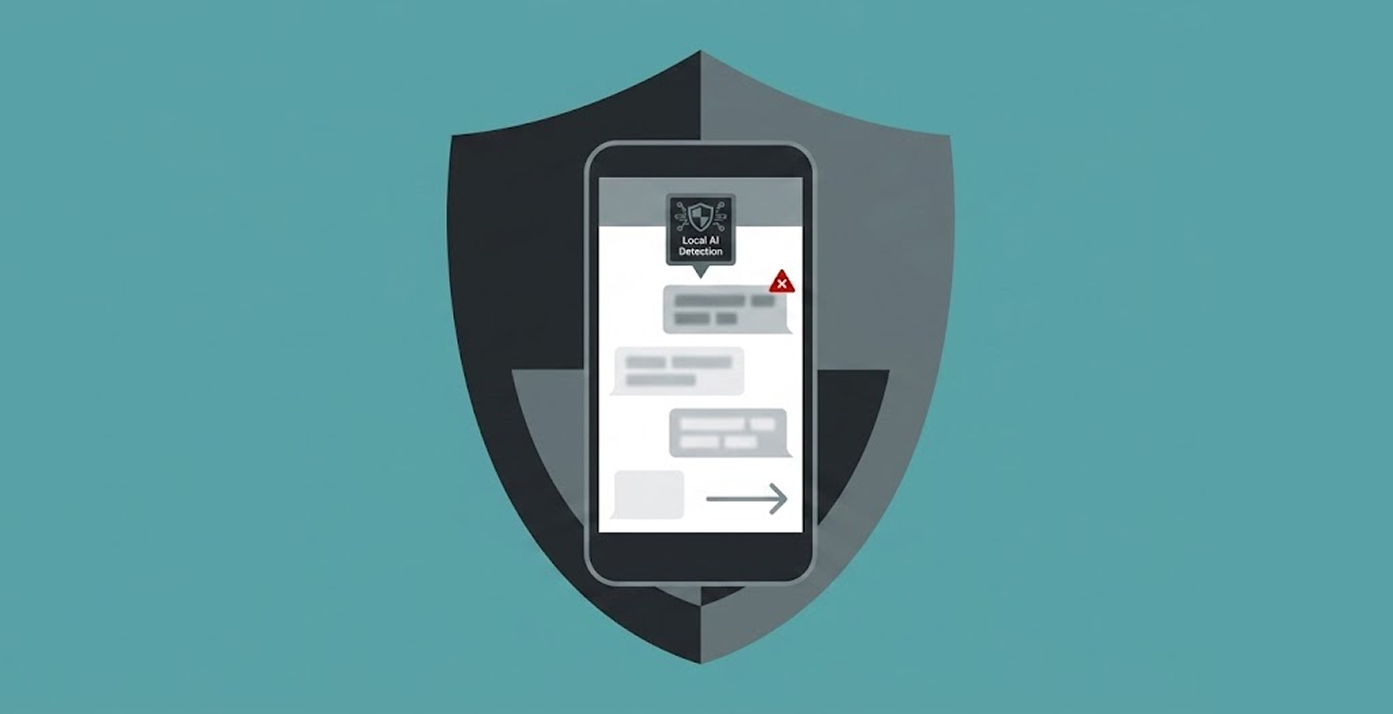
WhatsApp Tests On-Device Scam Alert without Reading User Messages
WhatsApp is testing a new tool called Scam Alert that spots scam messages right on your phone. The t...