

- Apple will not move Hide My Email addresses to a new domain. The company reversed a plan it announced in June.
- Sign in with Apple addresses will still switch to a new domain later this year.
- Privacy advocates warned the original plan would make it easy for sites to block iCloud aliases.
Apple has dropped a planned change to its Hide My Email feature. The company confirmed the reversal on August 24. Hide My Email addresses will keep using the icloud.com domain.
Apple had planned to move them to a new domain called private.icloud.com. Users and developers pushed back against that plan. Apple listened and changed course, according to reports.
Apple’s June Plan Sparked Privacy Concerns
Apple shared its original plan back in June. The company wanted to combine two separate email services under one domain. Both Hide My Email and Sign in with Apple would move to private.icloud.com. That plan sounded simple on paper. But it created a real problem for privacy-focused users.
Hide My Email lets iCloud+ subscribers create random email addresses. These addresses forward messages straight to a person’s real inbox. People use the feature to avoid giving out their real email. It helps cut down on spam too.
The trouble came from how websites could spot these addresses. Right now, Hide My Email uses the same domain as regular iCloud email. That makes it hard for any site to block just the alias addresses. Blocking the whole domain would also block real iCloud users by mistake.
Moving Hide My Email to private.icloud.com would have changed that. Sites could easily block one specific domain. BeEncrypted’s independent research shows that doing so would stop Hide My Email addresses from working almost everywhere. Privacy advocates and developers raised alarms right away. They said the change would weaken a feature built to protect people.
Apple’s fight for user privacy extends well beyond email aliases. The company is currently challenging a UK government order that would require it to provide access to encrypted iCloud data belonging to British users through a “technical capability notice” issued under the Investigatory Powers Act. Apple has argued that creating such a mechanism what critics call a “backdoor” would weaken security for all users, and it previously withdrew its Advanced Data Protection feature from UK users rather than comply.
Apple Reverses Course for Hide My Email
Apple posted a developer update on August 24. The company explained its new decision clearly. Apple looked closely at feedback from its community first. It then chose to keep Hide My Email addresses on icloud.com, exactly as before.
This means nothing changes for regular users right now. Every current Hide My Email address keeps working the same way. New addresses created going forward will also use icloud.com. People do not need to update anything or take any action.
The decision matters because it protects how the feature blends in. Hide My Email addresses look just like normal iCloud email addresses. That disguise makes them much harder for any single website to block. Keeping that setup intact preserves the tool’s main privacy benefit for users.
Sign in with Apple Still Moves to a New Domain
Apple is not reversing every part of its June plan. Sign in with Apple will still move to private.icloud.com. This second change starts sometime later this year. New addresses created through the feature will use the fresh domain.
According to Apple, addresses previously issued on privaterelay.appleid.com will keep working without any break. Those existing addresses will keep forwarding mail normally. Only new addresses created after the switch will look different, based on the developer note cited by Apple.
This change carries less risk than the Hide My Email plan did. Sign in with Apple addresses already sit on their own separate domain. Moving them to a new one does not expose them to fresh blocking risks. The shift is more about organizing Apple’s systems than protecting privacy.
Developers do have some work ahead, though. Apple is asking developers to update their account systems soon. Their apps need to accept both domains going forward. Email checks and approved address lists both need updates too. This way, logins keep working once new addresses start appearing.
For everyday users, the story ends simply. Hide My Email stays exactly as it was. Nothing breaks, and no action is needed on your part. Developers, meanwhile, have some behind-the-scenes updates to handle before the Sign in with Apple shift begins later this year.
Share this article
About the Author

Farwa is an experienced InfoSec writer and cybersecurity journalist skilled in writing articles related to cybersecurity, AI, DevOps, Big Data, Cloud security, VPNs, IAM, and Cloud Computing. Also a contributor on Tripwire.com, Infosecurity Magazine, Security Boulevard, DevOps.com, and CPO Magazine.
More from Farwa SajjadRelated Posts
Amazon and Twitch Face Class Action Over Alleged AI Training on Creator Videos
Streamer Warren Pandiscia filed a class-action lawsuit accusing Amazon and Twitch of using creator v...
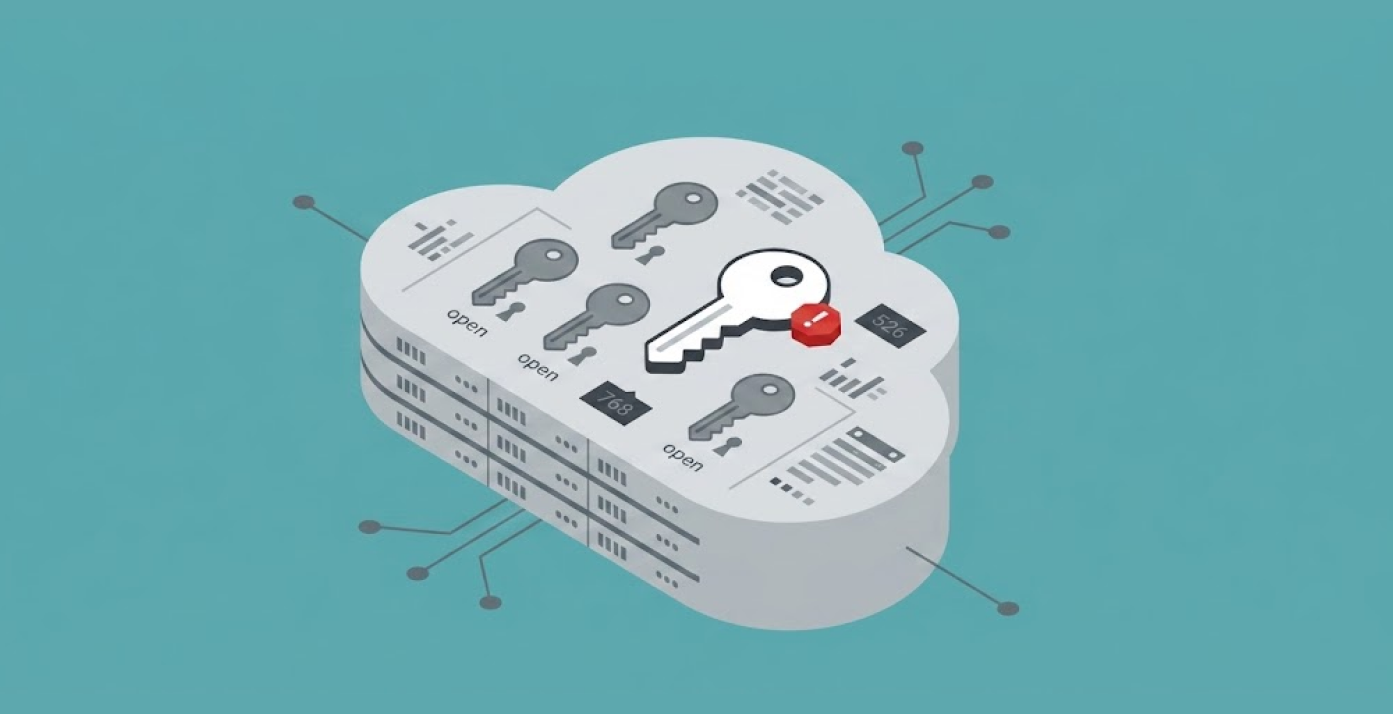
768 Leaked AWS Keys Still Work, Including 526 With Root Access
Truffle Security dug out 768 leaked AWS functioning keys, including 526 root keys. Amazon’s sa...
Uber Fined Over $960 Million by Dutch Regulator Over Automated Driver Suspensions
The Dutch Data Protection Authority fined Uber €825 million, close to $966 million, for how it suspe...
ChatGPT Gains Access to Mac Messages, Raising New Apple Privacy Concerns
OpenAI launched a new plug-in that lets ChatGPT read, search, draft and send messages on Mac compute...
South Korea Telecom Data Breaches Drive More Customers to Switch Carriers
A fresh study links South Korea’s telecom data breaches to a jump in customers changing carrie...
StopAndProtect Hijacks 2,000 WordPress Sites to Spread Malware and Ransomware
A new malware operation called StopAndProtect hijacks WordPress sites to build hidden command center...